- IDC develops through multiple soil factors and can cause substantial yield loss.
- Managing IDC starts with good variety selection, and DONMARIO has been putting genetics to the test in the Black Prairie for three seasons.
- A wet spring followed by a hot, dry summer made 2025 a perfect environment for IDC screening.
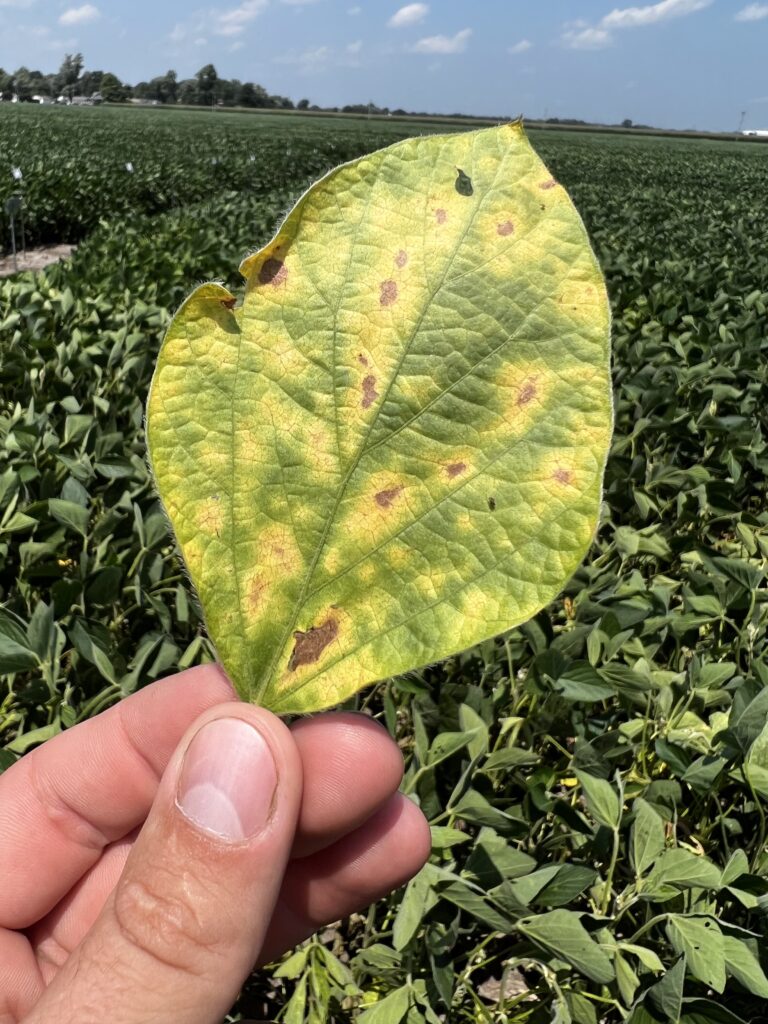
Iron deficiency chlorosis (IDC) is a common symptom of iron deficient soybeans. Iron is an essential micronutrient required for numerous metabolic and physiological processes within soybeans, including photosynthesis, nitrogen fixation, vegetative growth, and nodulation. IDC is caused by a complex interaction of soil factors, including pH, carbonates, moisture and soluble salts. Symptoms are easily recognized by a decrease in leaf chlorophyll content causing a yellowing of leaves, interveinal chlorosis, and/or stunted plant growth. After emergence, IDC symptoms are seen as interveinal chlorosis at the first trifoliate stage, often progressing to leaf necrosis (Figure I).
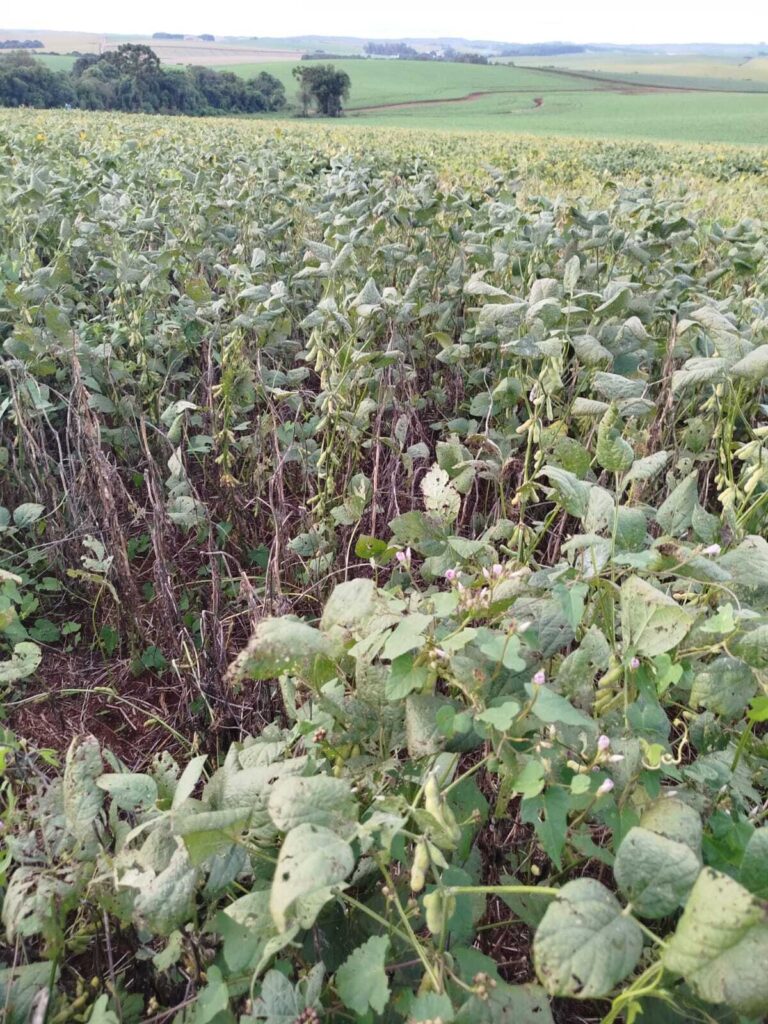
In the southern states, IDC has been observed in the Black Prairie region of northeast Mississippi and west-central Alabama. This area is characterized by calcareous soils with high pH levels — a condition that limits iron uptake, intensifies IDC symptoms, and reduces soybean productivity for farmers.Cultivar selection has been described as one of the best strategies to combat IDC and DONMARIO Seeds has been conducting extensive genetic evaluations in this region for the past three growing seasons. Throughout our testing, we observed that IDC symptoms vary considerably from year to year, mainly due to environmental factors. Seasonal differences in soil moisture, temperature, and rainfall patterns influence iron availability in the soil and, consequently, how each soybean variety responds to limited iron conditions. During the 2025 season, a wet spring delayed planting for many farmers in the region, followed by an extremely hot and dry summer — creating conditions that were ideal for IDC expression (Figure II).
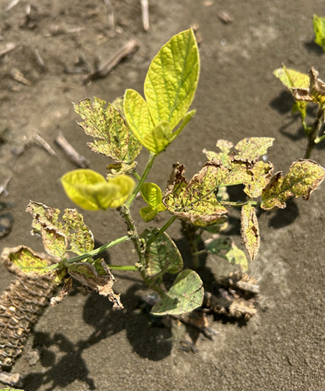
Figure I – IDC symptoms in early-stage soybeans
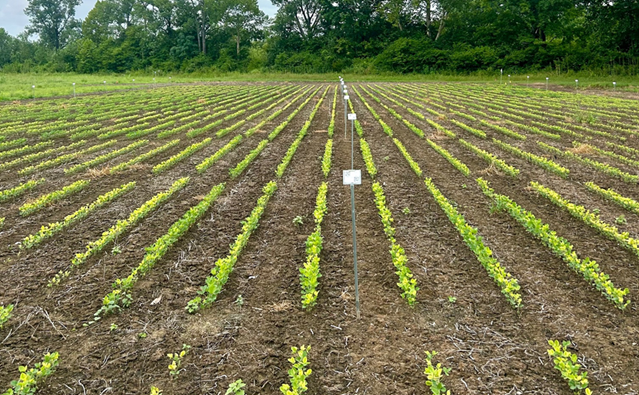
Figure II – 2025 IDC Field Screening in the Black Prairie Region, NE Mississippi.
Why IDC Occurs
Iron Deficiency Chlorosis occurs in soybeans due to a combination of soil chemistry, plant physiology, and environmental factors that limit the plant’s ability to absorb and use iron. Even though most soils contain plenty of iron, soybeans often cannot access it in high-pH or calcareous soils, where iron exists mainly as ferric iron (Fe³⁺) which is the form that is not soluble and cannot be taken up by roots. Normally, soybean roots release small amounts of acid and specific enzymes that convert ferric iron (Fe³⁺) into ferrous iron (Fe²⁺), which is the soluble and biologically available form that the plant can absorb and move to other tissues. In soils rich in carbonates and bicarbonates, these compounds neutralize the acids released by the roots, blocking the conversion process and making iron unavailable, which leads to the development of IDC symptoms. Excess soil moisture can worsen the problem by dissolving more carbonates and increasing soil pH, while high nitrate levels cause the plant to release even more bicarbonates, further reducing iron solubility. Some soybean varieties are better able to tolerate these conditions by releasing more acid or organic compounds around their roots. These characteristics are being evaluated under field conditions to develop varieties that are more tolerant to IDC and to better understand how they perform under IDC environments.
References
- MSSOY. Iron Deficiency Chlorosis Review. 2022.
- Crop Protection Network. Iron (Fe) Deficiency Chlorosis of Soybean.
- University of Minnesota Extension. Iron Deficiency Chlorosis in Soybean.
- NDSU Extension. Iron Deficiency Chlorosis of Soybean.
GDM Product Development Team