White mold (Sclerotinia sclerotiorum), also known as Sclerotinia stem rot, is one of the most persistent and damaging fungal diseases facing soybean growers across the U.S. It thrives in cool, wet conditions, especially during flowering, and is known to cause substantial yield loss in soybeans, sunflowers, and canola.
Once established, white mold can be difficult to eliminate. It produces hardened structures called sclerotia that survive in the soil for many years, enabling the fungus to reappear when environmental conditions are favorable. In affected fields, yield losses can range from 10% to over 50%, making this a serious economic concern.
How White Mold Develops
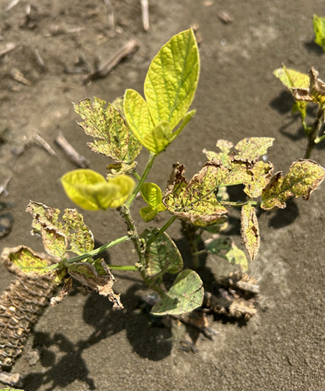
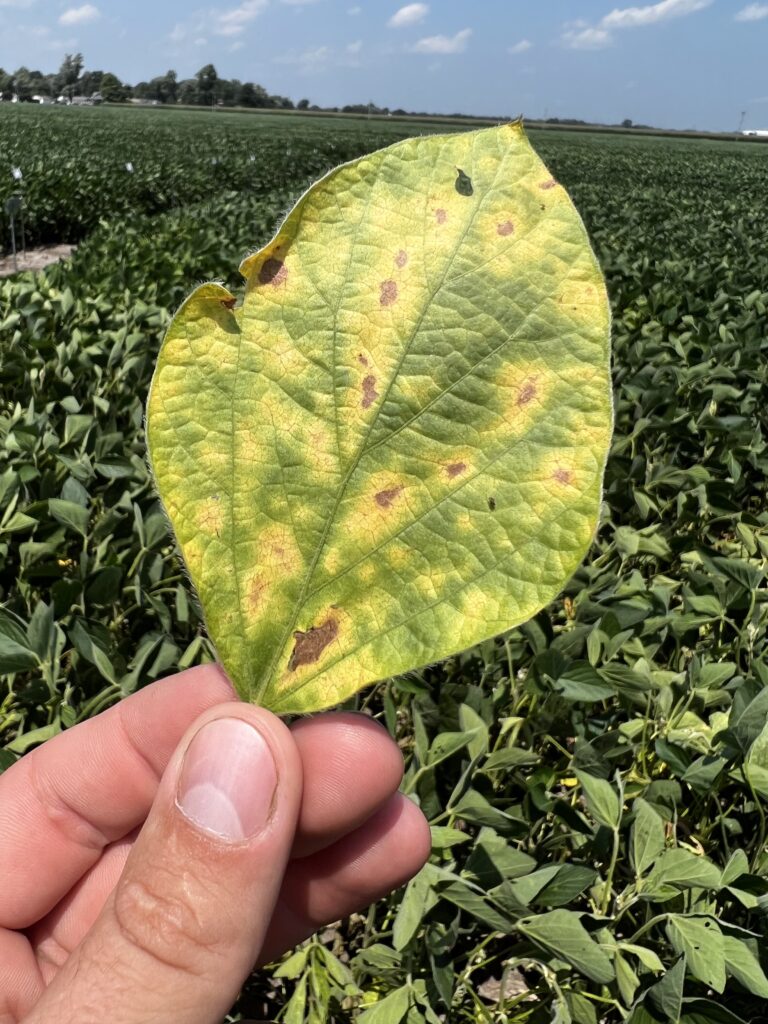
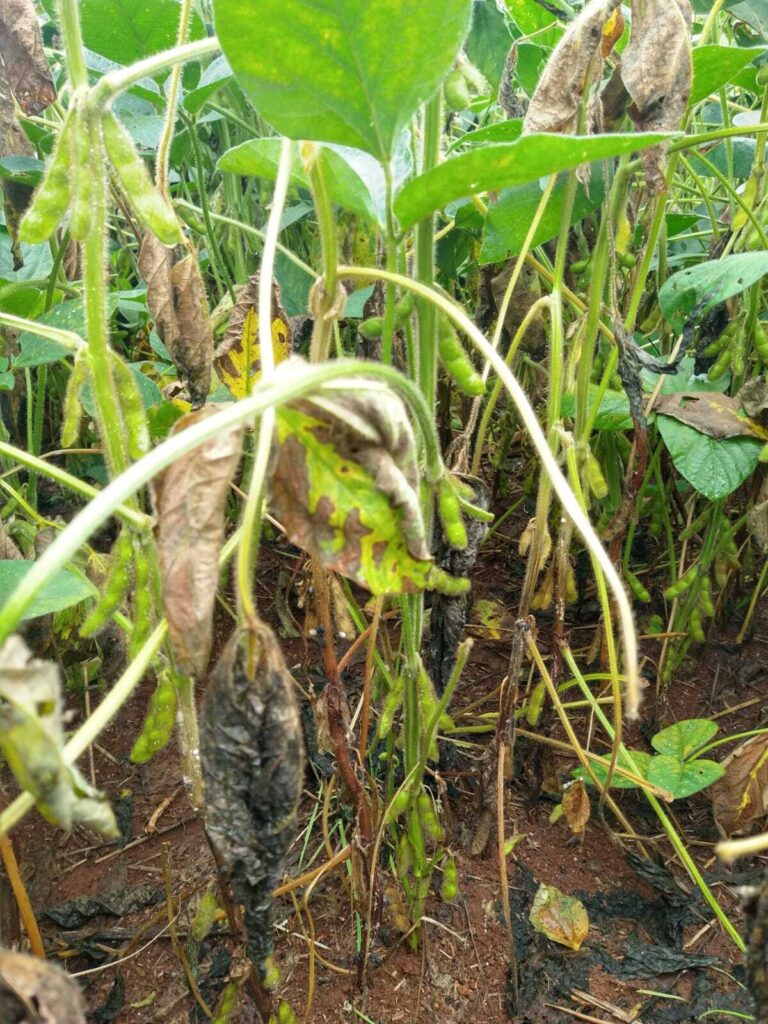
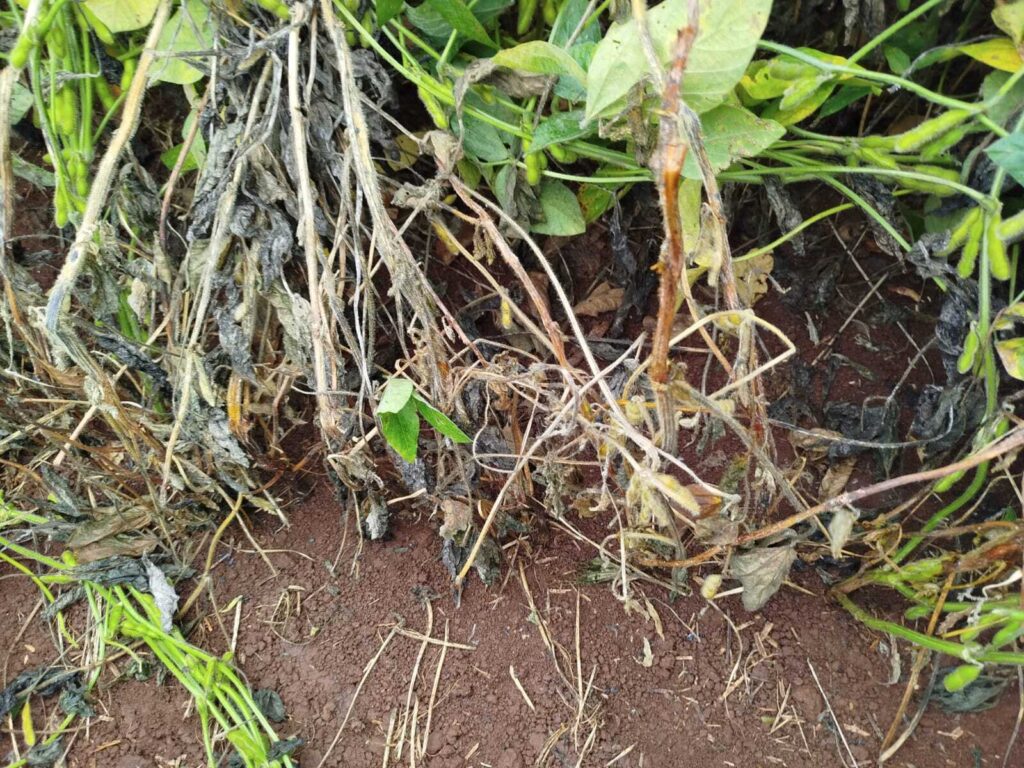
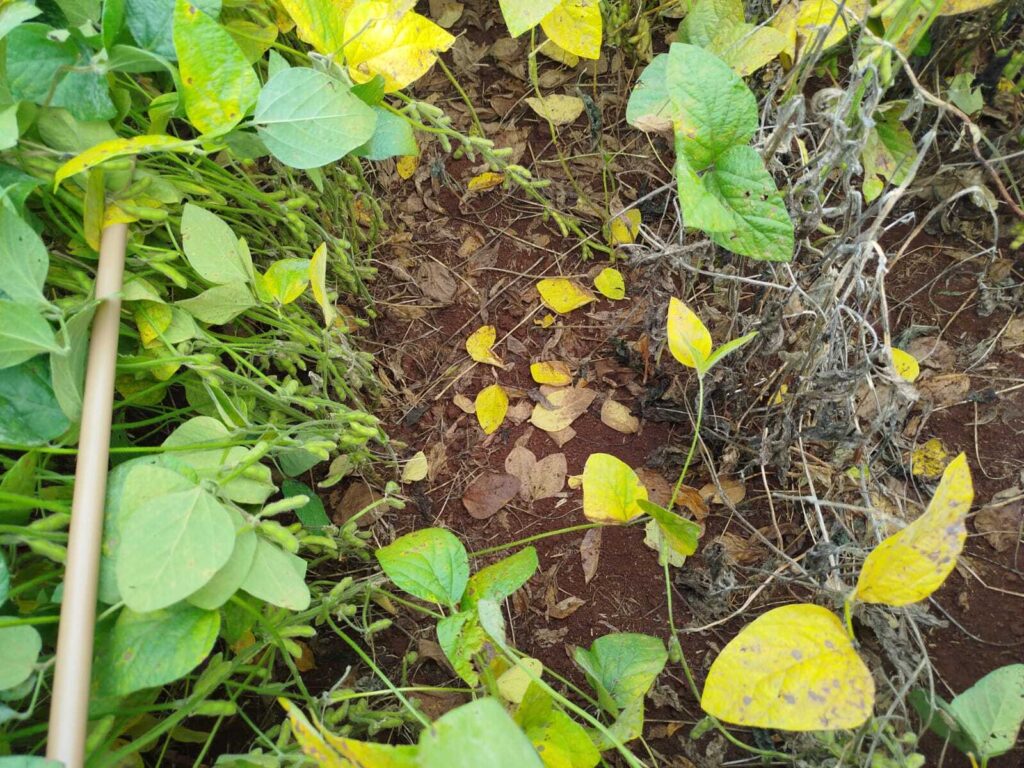
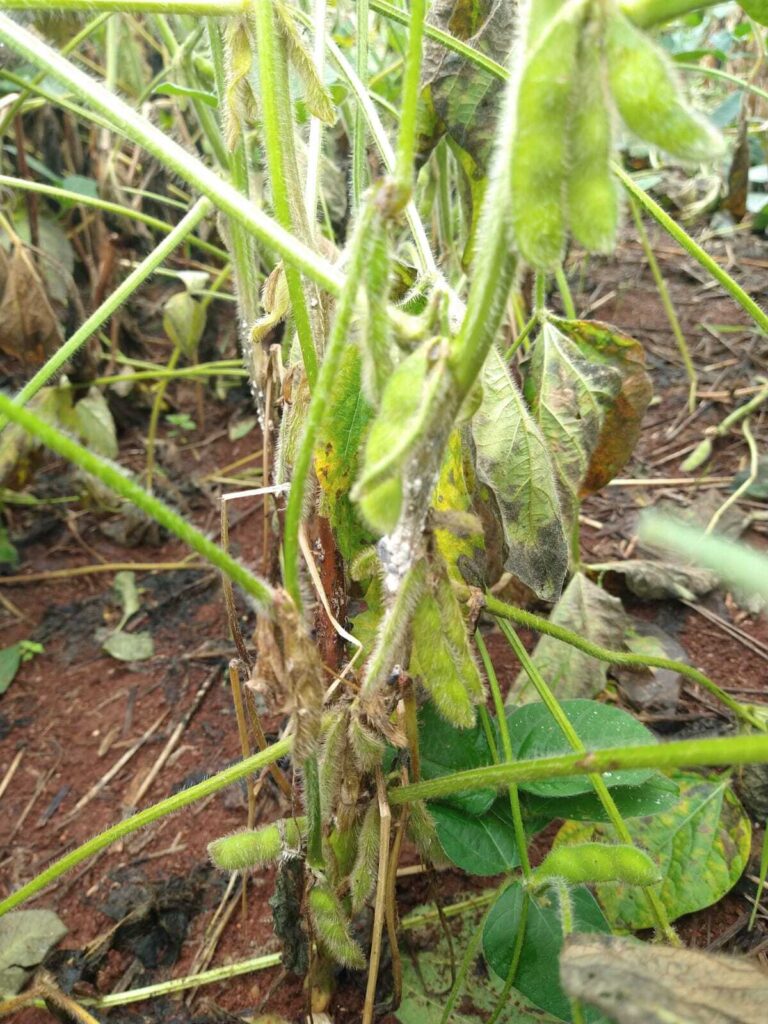
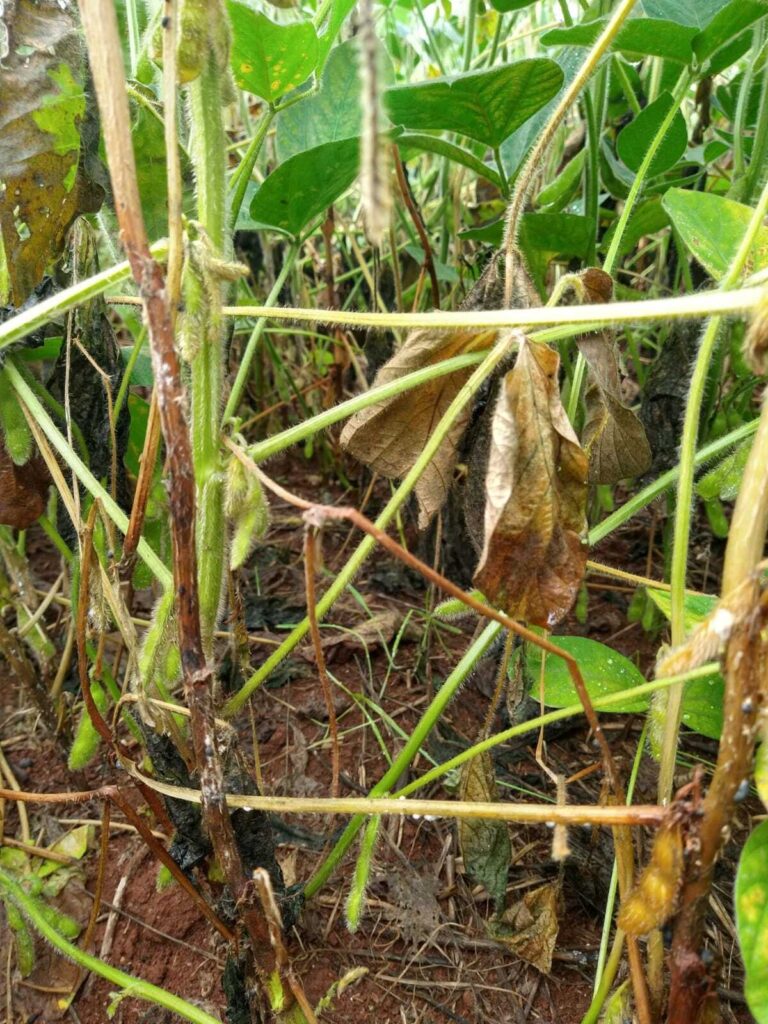
The fungus typically infects plants through fallen petals that settle in the leaf axils or branch junctions, especially under high humidity. Symptoms include:
- Water-soaked lesions on stems and leaves
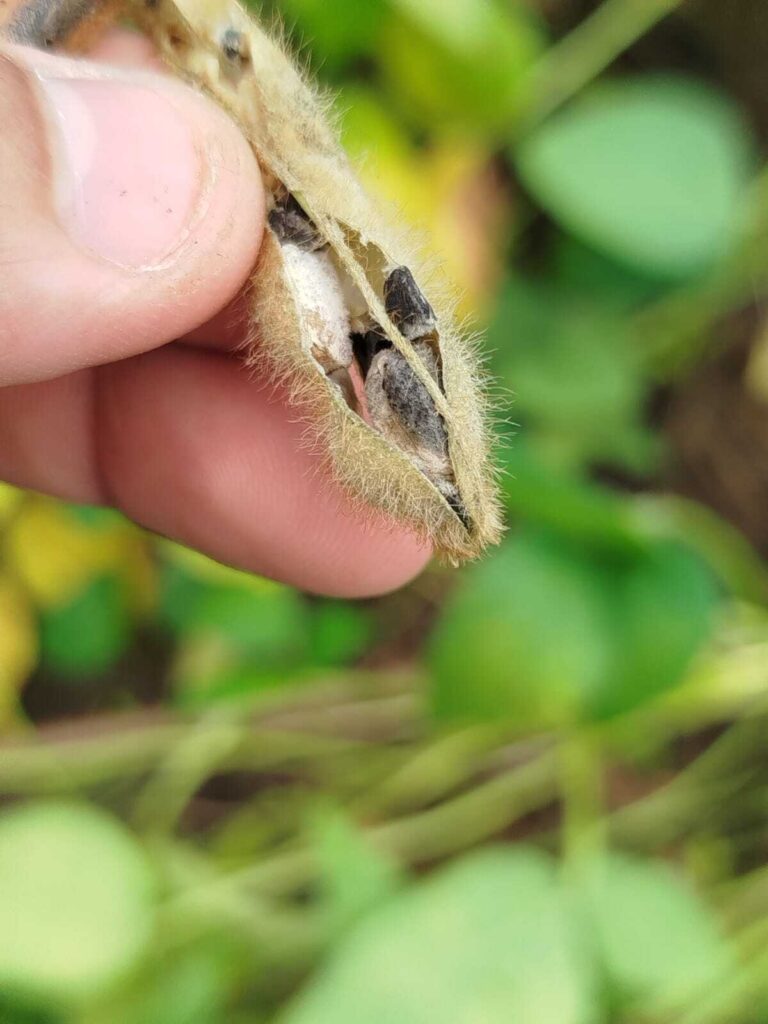
- A dense white mycelium that appears as cottony mold
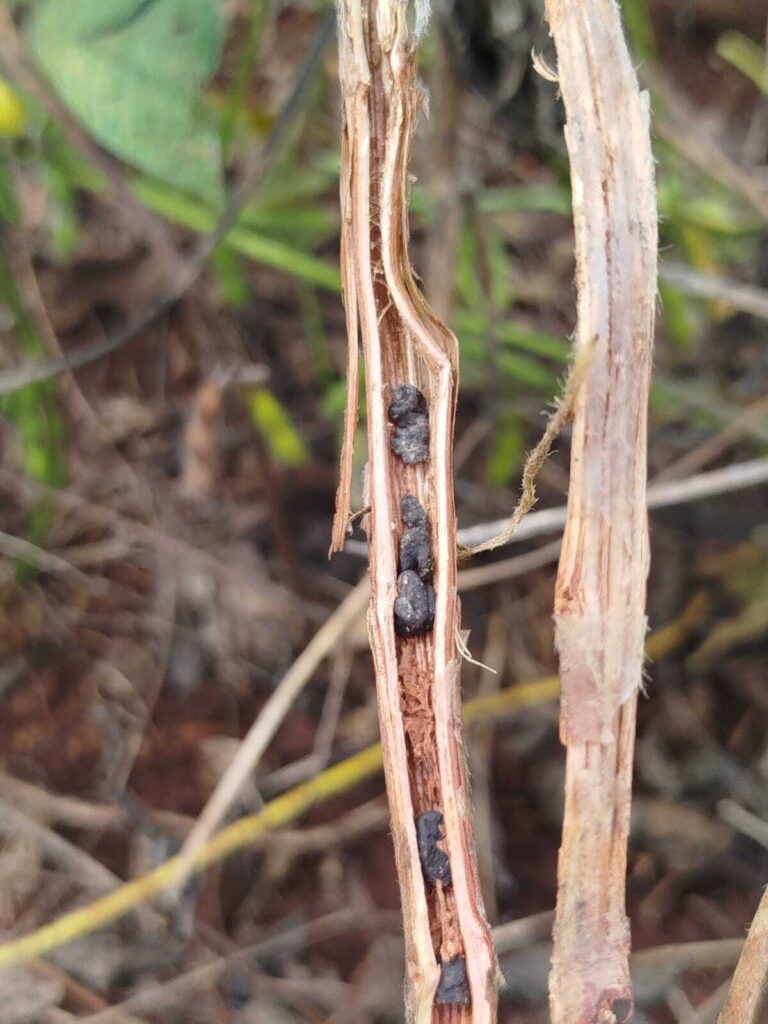
- Sclerotia (black survival structures) that form inside stems and pods
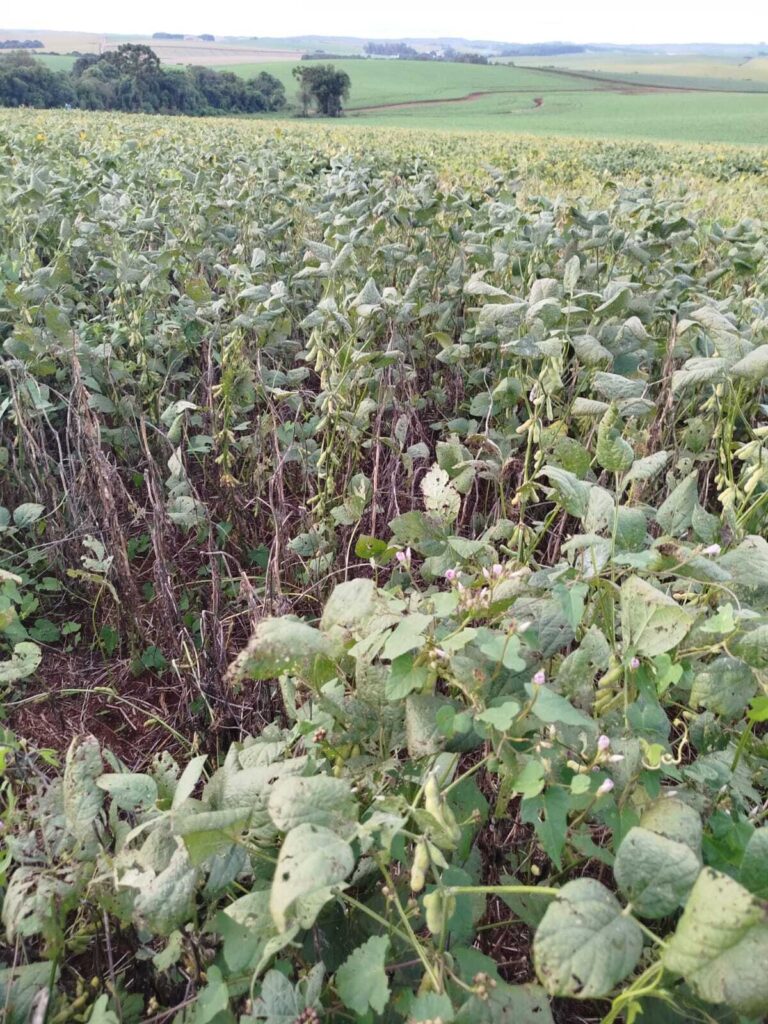
- Plant wilting and eventual death
The most severe infections tend to occur when frequent rain and high humidity align with flowering. Dense canopies, high seeding rates, and lodged plants further encourage disease development.

Evaluating White Mold in the Field
To understand the impact of white mold in your fields, it’s important to evaluate both incidence (how many plants are infected) and severity (how much of the plant is affected). Walk 30 feet from areas showing symptoms and count both healthy and infected plants, noting levels of infection from light to severe.
Infections on the main stem are more damaging than those on lateral branches. Pay close attention to the timing of flowering, branching patterns, and plant height, especially the height of the first pod—plants with pods set higher may have a slight edge in avoiding petal-based infection.
Prevention Is the Best Defense
There is no curative solution once white mold takes hold, so prevention is key. Consider the following integrated management practices:
- Variety Selection: Choose soybean genetics with strong white mold tolerance. At DONMARIO, we trial our varieties in high-pressure environments to deliver dependable performance.
- Plant Spacing and Populations: Widening row spacing and avoiding overly high plant populations can help reduce canopy moisture and improve airflow.
- Crop Rotation: Rotate with non-host crops like corn or grasses to lower the sclerotia load in the soil.
- Residue Management: No-till into residue is an option, but minimizing petal retention in leaf axils is critical.
- Fungicide Timing: Apply preventative fungicides during early bloom for best results. Late or reactive applications typically fall short.
- Clean Seed Practices: Use certified seed, apply seed treatments, and avoid introducing infected material into clean fields.
Year-to-Year Variability
White mold severity changes with the season. In years with drier mid-to-late summer weather, even historically high-pressure fields may show little to no disease. While this can feel like a win, it doesn’t reduce long-term risk. Sclerotinia persists in the soil and may reemerge when the next favorable window appears.
The DONMARIO Advantage
At DONMARIO, we’re not just serious about soybeans—we’re serious about protecting your yield. Our breeding program places a strong focus on disease tolerance, and every variety is evaluated across diverse conditions to give you more confidence at planting time.
If your farm has a history of white mold pressure, talk to your local agronomist or DONMARIO representative about selecting the right varieties and fine-tuning your management plan. Because not all soybeans are created equal—and when it comes to white mold, your best defense starts with the seed.